

Rodents
Deer mice, voles & woodrats
Deer mice nest in tack rooms, hay and walls; voles tunnel under snow and girdle young trees and gardens; woodrats pile stick nests in barns and chew vehicle wiring.
Rodent controlRanches, horse properties and homes in the ponderosa pines bring rodents, carpenter ants, ticks, wasps and barn flies. Licensed, locally owned pest control for the whole Beulah Valley.

Quick answer
Pest control in Beulah, CO usually costs $100–$150 for a one-time general visit, or about $40–$60 per month on a quarterly plan. A visit takes about an hour on most acreage properties, including barns and sheds. The pests we treat most in the Beulah Valley are mice, voles and woodrats, carpenter ants, ticks, wasps and livestock-area flies.
The Beulah Valley is an unincorporated community in western Pueblo County, tucked into ponderosa pine foothills about 25 miles southwest of Pueblo along Highway 78. Pueblo Mountain Park sits at the top of the valley, and the land around it is a patchwork of ranches, horse properties, acreage homes and older cabins under the pines.
That setting gives Beulah a pest mix that sits somewhere between the plains and the high mountains. Hay barns and feed rooms feed rodents. Corrals and manure piles breed flies all summer. Pine needles, stumps and woodpiles shelter carpenter ants and spiders, and dogs and horses carry ticks in from the trails. Most homes also share the valley with deer, bears and raccoons, which shapes how we handle bait and trash on every visit.
A & M Pest & Termite Control drives out from Pueblo, a trip of roughly 35–45 minutes up the winding stretch of Highway 78. We group Beulah calls on route days to keep pricing in line with town, and we’ll give you an honest arrival window rather than promising something the road won’t allow.
Here’s what Beulah Valley residents call about most, with the reason each one thrives here:
Deer mice nest in tack rooms, hay and walls; voles tunnel under snow and girdle young trees and gardens; woodrats pile stick nests in barns and chew vehicle wiring.
Rodent control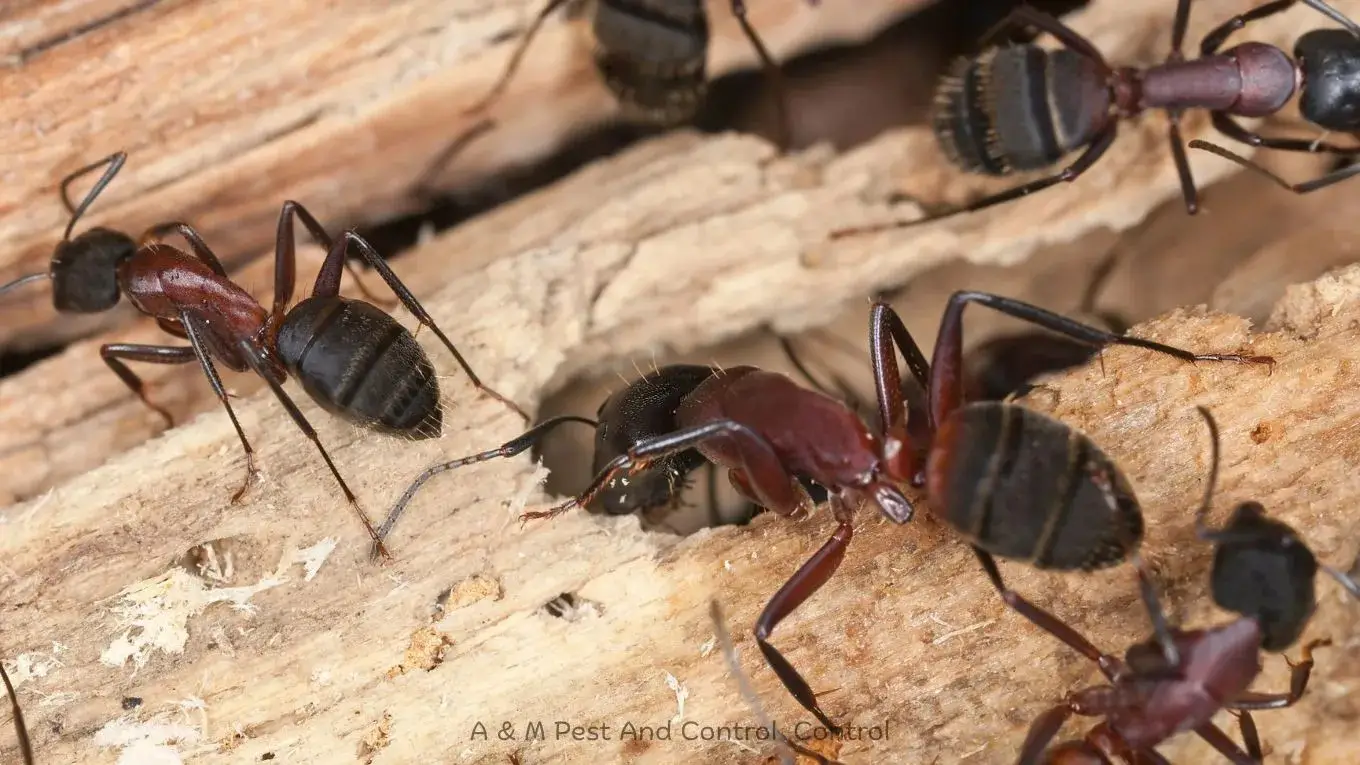
Ponderosa stumps, old fence posts and damp deck framing are natural nest sites. Satellite colonies end up in walls and window frames.
Ant control
Rocky Mountain wood ticks ride in on dogs, horses and people from brushy hillsides in spring and early summer.
Flea & tick control
Paper wasps favor barn eaves, stall doors and fence rails; yellowjackets nest in the ground and get pushy around outdoor meals by August.
Wasp removal
Wolf spiders and funnel weavers follow the insects into garages, barns and crawlspaces; black widows tuck into woodpiles and stacked materials.
Spider control
On acreage, barns and sheds are usually where problems start. Including them in a recurring plan stops pests before they reach the house.
Preventive plansIn fall, boxelder bugs collect on sunny walls before slipping inside to overwinter. They don’t bite, breed indoors or damage the home, but an exterior treatment in early September keeps far fewer of them from getting in.
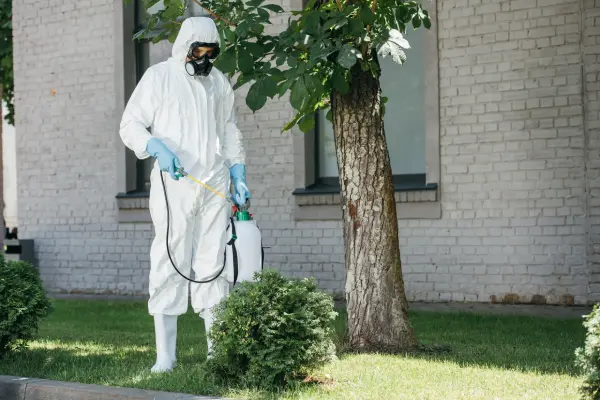
Most of the fly pressure on a Beulah horse or cattle property comes from house flies and stable flies breeding in wet manure, spilled feed and soiled bedding. In warm weather a house fly can go from egg to adult in about a week to ten days, so spraying adults alone never catches up. Breaking the breeding cycle does.
Feed is the other half of the story. Sweet feed, grain, dog food and birdseed draw deer mice and woodrats into barns, and from there into the house. Metal bins with tight lids, raised pallets and tamper-resistant bait stations placed where horses, dogs and chickens can’t reach them keep the rodent side under control.
Bears, raccoons, skunks and other wildlife are not pest-control jobs. In Colorado, problems with bears and most other wildlife should go to Colorado Parks and Wildlife, which handles those animals and can advise on bear-proof trash and feed storage. We focus on insects and small rodents, and we place baits so they don’t draw bigger visitors.
The Rocky Mountain wood tick is the tick Beulah residents run into most. It’s active from roughly March into July and waits on grass and shrubs along trails, including those around Pueblo Mountain Park, and along the brushy edges of pastures. It can transmit Colorado tick fever and, rarely, Rocky Mountain spotted fever, and an attached tick left in place for days can cause tick paralysis in people, dogs and livestock.
| Who | Where ticks come from | What helps |
|---|---|---|
| People | Trail hikes, brush clearing, walking fence lines | Long pants tucked into socks, repellent, a full tick check the same day |
| Dogs | Running through brush and tall grass on and off the property | A vet-recommended tick preventive and a quick check after walks |
| Horses | Grazing brushy pasture edges and trail riding | Checks of the mane, ears, belly and under the tail during grooming |
| The yard | Long grass and brush where the lawn meets the hillside | Mowing a buffer strip and a targeted spring perimeter treatment |
Yard treatments work best on the transition zone between mowed areas and native brush, timed for April and May. We coordinate with your vet’s pet products so the indoor, yard and animal pieces work together.
Beulah’s seasons run a little behind Pueblo’s. This is the timing we use for valley properties:
| Season | Typical activity in Beulah | Recommended service |
|---|---|---|
| Spring (Mar–May) | Ticks become active; carpenter ant swarmers; voles’ winter damage shows as snow melts | Perimeter and tick-zone treatment, ant inspection |
| Early summer (Jun) | Paper wasp combs on barns and decks; fly numbers climb around corrals | Nest removal, manure and fly-breeding review |
| Mid–late summer (Jul–Aug) | Yellowjackets at full size; spiders in outbuildings; flies peak | Ground-nest removal, outbuilding treatment |
| Fall (Sep–Oct) | Boxelder bugs on sunny walls; mice and woodrats head for barns and homes | Exterior treatment, exclusion, bait stations |
| Winter (Nov–Feb) | Rodents indoors and in vehicles; voles active under snow cover | Station checks, trapping, sealing entry points |
Beulah customers get our full service list with the same licensed team and written warranty as in Pueblo. Termites are uncommon at this elevation, but if you’re buying or selling an older valley home, a termite inspection is still worth asking about.

Inspections, liquid soil barriers, bait systems and NPMA-33 reports for home sales.
Learn moreMice and rat removal with trapping, tamper-resistant bait stations and permanent exclusion.
Learn more
Discreet inspection and multi-visit treatment that targets eggs, nymphs and adults.
Learn moreSpecies-specific baiting and non-repellent treatments that eliminate the colony, not just trails.
Learn more
Gel baits, growth regulators and follow-ups that break the German cockroach breeding cycle.
Learn more
Black widow removal, web and egg-sac clean-out, and perimeter treatments that cut their food supply.
Learn more
Yard barrier sprays and breeding-site treatment to reclaim your patio all summer.
Learn more
Same-day yellowjacket and paper wasp nest removal; honey bee swarms referred for relocation.
Learn moreCoordinated indoor and yard treatments, timed with your vet's pet treatment.
Learn more
Quarterly Integrated Pest Management plans that stop infestations before they start.
Learn more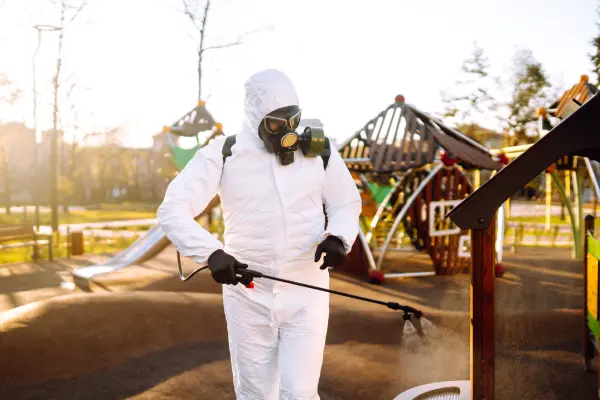
A Beulah home visit covers the interior, the foundation and a band around the house, then the outbuildings: barn, tack room, garage, shed and chicken coop. We note where rodents are getting in and where nests are building, and we tell you which fixes are worth doing yourself.
Boarding stables, ranch operations, event spaces and small businesses in the valley get scheduled service with records of every product used and where. We work around feeding schedules and keep products away from water troughs and feed.
A quarterly Integrated Pest Management plan suits most Beulah properties because the surrounding forest and pasture keep supplying new pests. Each visit renews the exterior barrier, services rodent stations and catches nests early.
Planned around animals, outbuildings and the drive up Highway 78.
Tell us about the house, outbuildings and any animals on the property.
House, barn, sheds and the yard edge, with rodent signs and nest sites noted.
Targeted, label-directed products placed away from livestock, feed and water.
Station checks and seasonal visits, with free re-treatment under warranty.
Beulah properties often include wells, creeks, pets and livestock, so who applies products matters. Our applicators are licensed by the Colorado Department of Agriculture, every product we use is EPA-registered and applied by its label, and we follow GreenPro integrated pest management standards: inspect first, treat only what’s needed.

Licensed through the Colorado Department of Agriculture's pesticide applicator program.

Partner in the EPA's Pesticide Environmental Stewardship Program for reduced-risk pest management.

Follows GreenPro Integrated Pest Management standards: inspect first, treat only what's needed.
We serve the community of Beulah and the surrounding valley along Highway 78, including homes near Pueblo Mountain Park, ranch and horse properties on the valley floor and cabins in the pines. Unsure if we reach your road? Call (719) 283-7071 and we’ll tell you right away.
Before your appointment, our pre-treatment checklist explains how to prep pets and living areas. Seeing bites indoors? Our bed bugs vs. fleas guide helps you tell the difference.
A one-time general pest control visit in Beulah typically costs $100–$150, and quarterly plans average about $40–$60 per month. Large acreage, multiple barns or heavy rodent activity are quoted after a free inspection. New customers get 10% off their first service.
Beulah is about 25 miles from our Pueblo office, roughly 35–45 minutes up Highway 78. We answer calls 24/7 and schedule the valley on route days; same-day visits happen when the schedule allows, with stinging insects and indoor rodents prioritized.
Yes. Barns, tack rooms, sheds, garages and coops are part of the inspection on Beulah properties, because that’s usually where mice, woodrats, wasps and flies get started.
We use EPA-registered products according to their labels, choose products labeled for livestock areas where needed, keep them away from feed and water, and use tamper-resistant bait stations. Tell us about all animals on the property before the visit.
Yes, but fly control on livestock properties depends on manure and moisture management as much as treatment. We treat resting areas and help you find and fix the breeding sites, which is what actually brings numbers down.
No. Bears, raccoons and other wildlife are not pest-control work. Contact Colorado Parks and Wildlife for bear problems and wildlife advice. We handle insects and small rodents and help you remove the food sources that attract larger animals.
Those are boxelder bugs. They gather on sunny walls in September and October looking for a place to overwinter. They’re harmless but annoying; sealing gaps and an exterior treatment in early fall keeps most of them out.
Voles are the usual culprit. They tunnel under snow and gnaw bark near the ground. Hardware cloth guards around trunks, trimmed grass near plantings and targeted trapping or baiting reduce the damage.
We cite independent, science-based sources so you can verify our guidance.
Licensed Pueblo technicians, upfront pricing and a written warranty. New customers save 10% on their first service.