
Open 24/7 — including weekends 50 Radcliff Ln, Pueblo, CO 81005
Licensed & insured in Colorado (719) 283-7071
Flea & tick treatment for homes and yards

Flea & Tick Control in Pueblo, CO

Break the flea life cycle for good. Interior and yard treatments built around eggs, larvae and pupae, timed with your vet's pet treatment, from a locally owned Pueblo company.

  • Licensed & insured
  • Free inspection
  • Family- & pet-conscious products
Flea and tick on a pet's fur in a Pueblo home
2–4 wksto a flea-free home with house and pet treated together
  • CDA licensed
    applicators
  • Locally owned
    in Pueblo
  • 37+ years
    combined experience
  • Open 24/7
    same-day service
  • Written
    service warranty
Reviewed by A & M's licensed applicator team Updated 10 min read Written for Pueblo County, CO

Flea and tick control in Pueblo: the short answer

Quick answer

Professional flea control in Pueblo, CO starts at about $125 for an interior treatment, with yard treatment of shaded pet areas quoted extra. A full program is an inspection, an interior treatment with an insect growth regulator, a follow-up about two weeks later, and same-day vet treatment of every pet. Most homes are flea-free in 2–4 weeks.

Interior treatment
From $125
Yard treatment
Quoted extra
Follow-up
~2 weeks later
Flea-free in
2–4 weeks
Pets
Treated by your vet
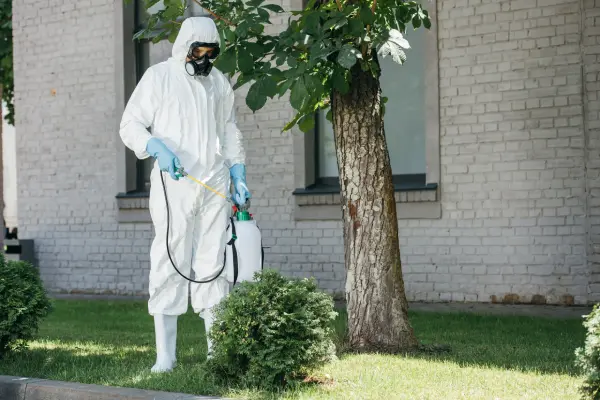
Technician treating shaded shrubs where pets rest in a Pueblo yard

Fleas are one of the most frustrating pests a Pueblo family can have, because what you see is a small fraction of what's there. The adult fleas biting your ankles or your dog make up only a small share of the population. The rest are eggs, larvae and pupae hidden in carpet, pet bedding, couch cushions and the cracks between floorboards, and that's why a can of spray or a fogger rarely ends the problem.

Ticks are a different problem. They live outdoors in grass and brush and hitch a ride on dogs and people. Around Pueblo, tick pressure is highest for families who hike or live in the foothills toward Colorado City and Rye, and for dogs that run in tall grass along the Arkansas River and Fountain Creek.

A & M Pest & Termite Control treats both: inside the home where the flea life cycle plays out, and in the specific yard areas where pets rest and ticks wait. We time it with your veterinarian's pet treatment, because treating the house without treating the pets, or the reverse, almost always fails.

Signs you have fleas or ticks

Pets scratching and chewing

Constant scratching, biting at the base of the tail or hair loss on the lower back are classic flea signs in dogs and cats.

Flea dirt

Black, pepper-like specks in pet bedding or fur. Put them on a damp white paper towel: if they smear reddish-brown, it's digested blood.

Bites around ankles

Small, very itchy red bumps, often in clusters on the lower legs, especially after walking across carpet.

Fleas jumping

Tiny dark-brown insects jumping onto white socks when you walk through a room the pet uses.

Ticks on pets

A seed- to bean-sized bump attached near the ears, neck, armpits or between the toes after a walk.

A burst after moving in

Fleas appearing days after you move into a home or return from a trip: pupae hatched once they sensed movement.

Not sure whether you're dealing with fleas or bed bugs? The bite pattern, timing and evidence are different. Our guide to bed bugs vs. fleas walks through how to tell them apart, and our bed bug treatment page covers the other possibility.

Why fleas survive store-bought treatments: the flea life cycle

Every flea treatment plan is built around the four life stages. Here's what each stage does and how it's handled:

Cat flea life cycle and treatment
StageWhere it isHow longWhat kills it
EggLaid on the pet, then falls off into carpet, bedding and furnitureAbout 2–12 daysInsect growth regulator (IGR), vacuuming
LarvaDeep in carpet fibers, under furniture, in pet beds; avoids light, feeds on flea dirtAbout 1–3 weeksIGR, residual insecticide, vacuuming, washing bedding
PupaInside a sticky silk cocoon that collects dust and debrisDays to several monthsVery little. Cocoons resist treatment; vacuuming triggers hatching
AdultOn the pet; newly hatched adults jump on any warm bodyWeeks to months on a hostVet-prescribed pet treatment, residual insecticide

The pupa is the reason flea control takes a few weeks. Inside the cocoon, the developing flea is protected from insecticides, and it can wait for weeks, sometimes months, until vibration, warmth or carbon dioxide tells it a host is nearby. That's why people sometimes find fleas in a home that has been empty, and why you'll still see a few fleas for one to two weeks after treatment. Those fleas are emerging from cocoons and landing on treated surfaces; it doesn't mean the treatment failed.

Our interior treatment pairs a residual insecticide for adults with an insect growth regulator (IGR) that stops eggs and larvae from ever becoming biting adults. A follow-up visit about two weeks later catches the adults that emerged from pupae in the meantime.

Fleas and ticks found in Pueblo County

Cat flea and tick on pet fur

Cat fleas

Ctenocephalides felis

  • Most common flea on dogs and cats
  • Breeds indoors year-round
  • Can carry flea tapeworm

Despite the name, the cat flea is the flea found on most dogs as well as cats in Colorado, and it's the one behind almost every indoor infestation. A female lays dozens of eggs a day. Pets swallowing infected fleas while grooming can pick up the flea tapeworm, and heavy infestations can cause flea allergy dermatitis and anemia in young or small animals.

How we treat it: Inspection to find the hot spots, interior IGR plus residual treatment of carpets, baseboards, furniture and pet resting areas, a follow-up in about two weeks, and coordination with your vet so every pet in the home is treated the same day.
Rocky Mountain wood tick

Dermacentor andersoni

  • Foothills and mountains
  • Active spring to early summer
  • Colorado tick fever vector

The main tick of Colorado's foothills and mountains, including the Greenhorn Valley around Colorado City and Rye and the higher country west of Pueblo. Adults are most active from roughly March through early July, waiting on grass and brush for a passing host. It's the main carrier of Colorado tick fever and can also transmit Rocky Mountain spotted fever and cause tick paralysis.

How we treat it: Targeted treatment of brushy edges, tall grass and pet paths around foothill properties, plus clearing advice. Your vet's tick preventive is the most important protection for dogs.

American dog tick

Dermacentor variabilis

  • Eastern Colorado plains
  • Grass, field edges, ditches
  • Spring and summer

The common tick of the plains east of the Front Range, found in tall grass, along field edges, irrigation ditches and river corridors. Dogs pick them up on walks; people pick them up in uncut grass. It can transmit Rocky Mountain spotted fever and tularemia, though cases are uncommon in Colorado.

How we treat it: Mowing and trimming recommendations, and a targeted barrier where your property borders tall grass or open space.

Brown dog tick

Rhipicephalus sanguineus

  • Lives indoors
  • Kennels, homes, garages
  • Completes its life cycle inside

The one tick that can infest a home. It feeds almost entirely on dogs and can complete its whole life cycle indoors, so infestations show up in kennels, rescues and homes with several dogs. You'll find ticks crawling up walls, behind baseboards and around dog beds.

How we treat it: Crack-and-crevice and residual treatment of baseboards, wall junctions, kennels and dog resting areas, with follow-up visits and vet treatment of every dog.

Our flea and tick treatment process

Built around the flea life cycle and your pets' schedule, not a single spray.

  1. Inspection

    We find where pets sleep and rest, inside and out, check for flea dirt and larvae, look for ticks on walls and pet bedding, and identify wildlife sources such as raccoons, feral cats or mice.

  2. Prep and vet coordination

    You get a simple prep list: vacuum, wash pet bedding hot, clear floors, and book your vet so every pet is treated the same day as the house. Pets and people leave during treatment.

  3. Interior treatment

    An insect growth regulator and residual insecticide are applied to carpets, rugs, under furniture, baseboards, upholstery and pet resting areas, everywhere eggs and larvae develop.

  4. Yard treatment (if needed)

    We treat the shaded, protected spots where pets lie and ticks wait: under decks, along fences, around shrubs and dog runs. Open sunny lawn usually doesn't need it.

  5. Follow-up in about two weeks

    We re-treat as needed to catch adults that hatched from pupae after the first visit, and confirm activity is dropping.

How much does flea treatment cost in Pueblo?

Cost depends on the size of the home, how severe the infestation is, how many rooms pets use, and whether the yard needs treatment too. Typical Pueblo ranges:

Flea and tick control pricing in Pueblo, CO
ServiceTypical Pueblo priceNotes
Interior flea treatmentFrom $125Standard home; larger homes and severe infestations cost more
Yard flea and tick treatmentAdded to interior priceShaded pet areas, fence lines, under decks
Follow-up visitQuoted with treatmentUsually about two weeks after the first treatment
Brown dog tick / kennel treatmentQuoted after inspectionMultiple visits are typical
Rental move-out / move-in treatmentQuoted after inspectionFor landlords and property managers between tenants
Seasonal prevention planAsk for pricingCombined with quarterly pest prevention

Your price is confirmed in writing after the inspection. New customers get 10% off their first service, and if fleas return within the covered period after you've followed the prep and vet plan, we re-treat at no charge.

Fleas, ticks and Pueblo's climate

Pueblo sits at about 4,700 feet with low humidity, strong sun and roughly a foot of precipitation a year. That shapes flea and tick control in a few useful ways:

  • Fleas are mostly an indoor problem here. Flea larvae dry out and die in hot, sunny, exposed soil, so open lawns in Belmont or Pueblo West rarely sustain fleas. Shaded, moist spots do: under decks and porches, dog houses, crawlspaces and irrigated shrub beds.
  • Indoor fleas don't stop for winter. Heated homes keep the life cycle running year-round, so winter infestations are common, especially when pets stay inside more.
  • Tick risk depends on where you go. Inside Pueblo's neighborhoods, ticks are uncommon. Foothill properties around Colorado City and Rye, trails near Lake Pueblo State Park and tall grass along the Arkansas River and Fountain Creek carry most of the risk.
  • Wildlife brings fleas in. Raccoons, skunks, feral cats and mice living under sheds or in crawlspaces reintroduce fleas after treatment. Rodent control and exclusion are part of the fix.

Plague and prairie dogs: a Colorado-specific caution

Plague is occasionally detected in Colorado prairie dog colonies and in the fleas that live on them, and Pueblo County has prairie dog towns on its open land. Human cases are rare, but pets can bring infected fleas home. Keep dogs leashed and out of prairie dog towns, keep cats indoors, don't handle sick or dead rodents or rabbits, and keep pets on a vet-recommended flea preventive. Report sudden prairie dog die-offs to your local health department.

Ticks in Colorado can also transmit Colorado tick fever, which causes fever, headache and body aches, and, less commonly, Rocky Mountain spotted fever and tularemia. If you get a fever within about two weeks of a tick bite, tell your doctor about the bite.

DIY flea control vs. professional treatment

Light flea problems caught early can sometimes be handled with a vet treatment for the pet and thorough cleaning. Established infestations usually need professional products and a follow-up. Here's why foggers disappoint:

Why flea treatments fail
ApproachWhat it doesWhat it misses
Flea bombs / foggersKills exposed adults in the openDoesn't reach under furniture or deep into carpet; no effect on pupae
Pet treatment onlyKills fleas on the petThousands of eggs and larvae keep developing in the home
House treatment onlyKills larvae and emerging adults in the homeThe untreated pet keeps fleas breeding
Professional + vet, togetherBreaks every stage of the life cycleOnly pupae, which hatch and die over the next 2 weeks

Your part: before and after treatment

  • Book your vet so every dog and cat is treated the same day as the house
  • Vacuum all carpets, rugs, furniture and pet areas before the visit; empty the canister outdoors
  • Wash pet bedding, throw blankets and small rugs in hot water and dry on high heat
  • Pick up toys, shoes and clutter from floors so we can treat under furniture
  • Stay out of the home with pets until treated surfaces are fully dry, usually 2–4 hours
  • Vacuum daily for two weeks after treatment; vibration makes pupae hatch onto treated surfaces
  • Don't shampoo or steam-clean carpets for at least two weeks after treatment
  • Check dogs for ticks after every walk in grass or foothill trails

Our pest control pre-treatment checklist has room-by-room prep detail.

Are flea treatments safe for pets and kids?

Technician in protective gear applying a targeted outdoor treatment

Yes, when the products are applied by a licensed technician and you follow the re-entry instructions. People and pets stay out of the home during treatment and until surfaces are dry, typically two to four hours. Remove or cover fish tanks and turn off the aquarium pump, and keep birds and small caged pets out of treated rooms. We'll tell you exactly what we're using and leave label information with you.

No pesticide is completely non-toxic, and we won't tell you otherwise. Insect growth regulators work on insect hormones that people and pets don't have, which is why they are a core part of our flea program. Pet treatments themselves belong with your veterinarian: never use a dog flea product on a cat.

Our safety standard

Every product we apply is registered with the U.S. EPA and used strictly according to its label by Colorado Department of Agriculture licensed applicators.

Questions about your situation? Call (719) 283-7071, open 24/7.

Frequently asked questions

How much does flea treatment cost in Pueblo, CO?

Interior flea treatment in Pueblo starts at about $125 for a standard home. Yard treatment, larger homes, severe infestations and follow-up visits are quoted after inspection, and the final price is confirmed in writing before work begins.

How long does it take to get rid of fleas?

Most homes are flea-free in 2–4 weeks when the house and every pet are treated together. You may see some fleas for 1–2 weeks after treatment as pupae hatch and land on treated surfaces; a follow-up visit about two weeks later handles them.

Why do I still see fleas after treatment?

Flea pupae inside their cocoons are protected from insecticides and keep hatching for a couple of weeks. Vacuum daily to trigger hatching, don't shampoo carpets for two weeks, and make sure every pet is on a vet-recommended treatment.

Do I need to treat my pets too?

Yes. Treating the house without treating every dog and cat, or the reverse, is the most common reason flea control fails. Ask your veterinarian for a product and schedule it for the same day as our interior treatment.

Is Lyme disease a risk from ticks in Pueblo?

Lyme disease is not considered to be acquired locally in Colorado, because the blacklegged tick that spreads it is not established here. Colorado ticks can transmit Colorado tick fever and, less often, Rocky Mountain spotted fever and tularemia, so report any fever after a tick bite to your doctor.

Where do ticks live around Pueblo?

Rocky Mountain wood ticks are common in the foothills around Colorado City, Rye and the Wet Mountains from spring to early summer. American dog ticks live in tall grass on the plains and along river corridors, and brown dog ticks can infest homes and kennels.

Do I need to leave my home during flea treatment?

Yes. People and pets should leave during the interior treatment and stay out until treated surfaces are dry, typically two to four hours. Cover fish tanks and turn off aquarium pumps before we start.

Can fleas live in my yard in Pueblo?

Fleas struggle in hot, sunny, dry soil, so open lawns rarely hold them. They survive in shaded, moist spots where pets rest, such as under decks, porches and shrubs, which is where we focus yard treatment.

Should I worry about plague from fleas?

Human plague cases are rare, but plague is occasionally detected in Colorado prairie dog colonies and their fleas. Keep pets out of prairie dog towns, keep them on flea preventive, and never handle sick or dead rodents.

Bed Bug Treatment in Pueblo, CO

Bed Bug Treatment

Discreet inspection and multi-visit treatment that targets eggs, nymphs and adults.

Learn more
Rodent Control in Pueblo, CO

Rodent Control

Mice and rat removal with trapping, tamper-resistant bait stations and permanent exclusion.

Learn more

Flea and tick control near you

See all service areas

Get a free pest inspection today

Licensed Pueblo technicians, upfront pricing and a written warranty. New customers save 10% on their first service.

Call Now Free Quote