

Rodents
Rodents in greenhouses & feed
Seed trays, potting benches, stored squash and grain all feed mice. Warm greenhouses let them breed through the winter, and Norway rats can settle in where feed and water are easy to reach.
Rodent controlGreenhouses, produce fields and river bottomland bring rodents, mosquitoes, flies and fleas close to home. Licensed, locally owned pest control for Vineland houses and growers, usually same or next day.
Quick answer
Pest control in Vineland, CO costs $100–$150 for a typical one-time visit, or around $40–$60 a month with a quarterly plan. Vineland is a short drive east of Pueblo, so same-day or next-day appointments are usually available. Common problems include mice in greenhouses and feed, mosquitoes, flies, field ants, black widows and fleas.
Vineland is a census-designated community in Pueblo County, just east of Pueblo near US-50 and the Arkansas River. It’s a place where produce is grown close to where people live: greenhouses, vegetable fields, packing sheds and roadside stands sit alongside rural homes on irrigated parcels. Commuting into Pueblo is easy, so many families here have a city job and a country address.
From a pest standpoint, greenhouses and produce operations are the biggest difference. A heated greenhouse is warm, humid and full of food year-round, which is exactly what mice and many insects look for when the weather turns. Stored produce, potting soil, seed and feed add to the draw. When those buildings sit a few hundred feet from a house, pests move back and forth between them.
Because Vineland is close to our office at 50 Radcliff Ln in Pueblo, A & M Pest & Termite Control can usually reach you the same day or the next day, without extra trip charges.
Here is what we find most often on Vineland properties and why each pest does well here:
Seed trays, potting benches, stored squash and grain all feed mice. Warm greenhouses let them breed through the winter, and Norway rats can settle in where feed and water are easy to reach.
Rodent control
Irrigation runoff, ditch seepage and Arkansas River bottomland create breeding water through summer. Culex tarsalis, Colorado’s primary West Nile vector, is common in this kind of habitat.
Mosquito control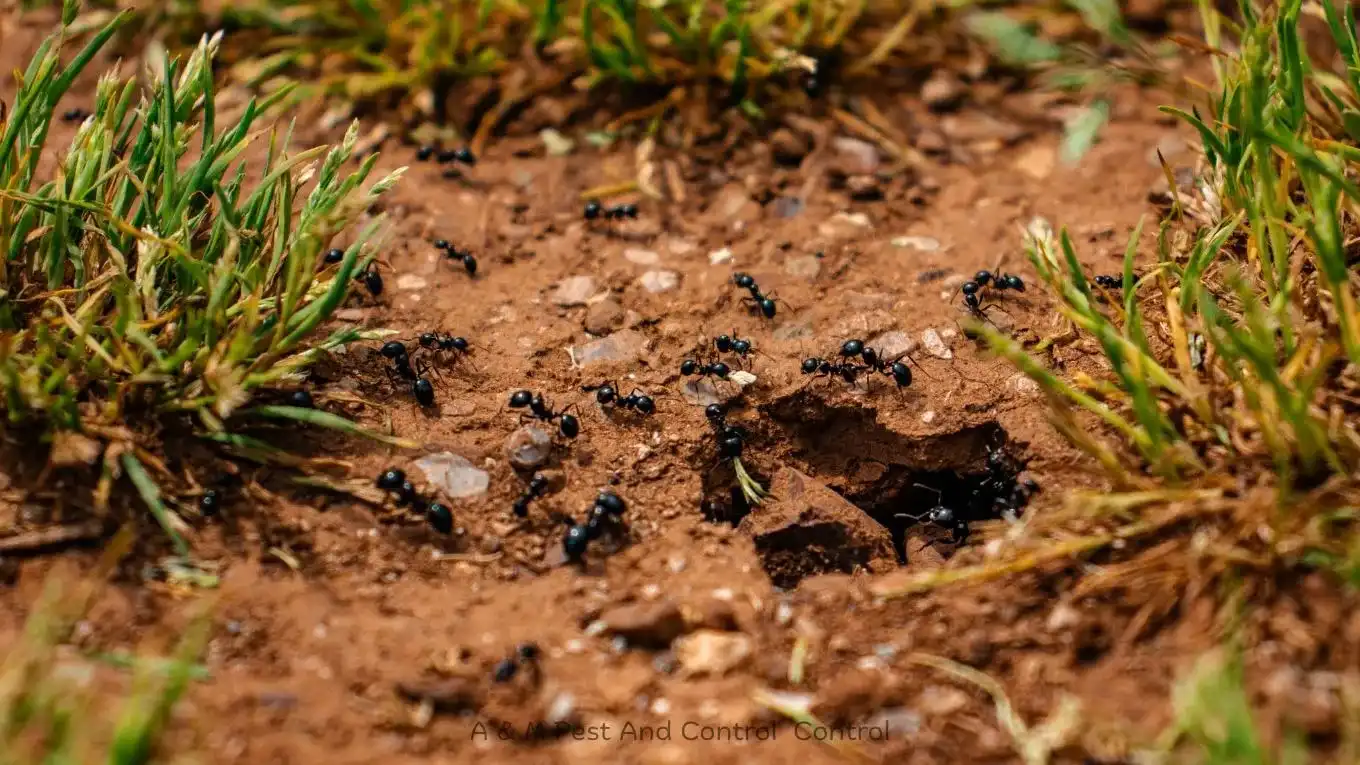
Field ants build mounds in sandy soil along field edges, lanes and lawns. They tend aphids on crops and ornamentals and wander indoors when the weather turns hot and dry.
Ant control
Greenhouse benches, stacked pots and flats, pallets and irrigation supplies give western black widows dark, quiet corners. Workers handling stored materials should wear gloves.
Spider control
Farm dogs, barn cats, raccoons and rabbits carry fleas between outbuildings, porches and the house. Infestations build fastest where animals bed down in shade or under decks.
Flea & tick control
Packing and storage buildings often have wide door gaps and open eaves. Sealing them keeps rodents away from produce and cuts down on contamination risk.
Rodent controlHouse flies breed in rotting produce, cull piles, compost and manure, and they reach adult stage in about a week in hot weather. Removing cull piles and spoiled produce on a regular schedule is the single biggest fly control step. We follow up with targeted treatment around doors, loading areas and fly resting surfaces.
Several local conditions stack up in Vineland:
Warm, moist growing space and stored crops give rodents and insects shelter and food in every season, including winter.
The Arkansas River and the ditches that draw from it keep water on the landscape through summer, feeding mosquito populations.
Vineland is near enough to the city that pests travel freely between rural parcels, commercial lots and neighborhoods along the US-50 corridor.
Homes in Vineland range from older farmhouses and ranch-style houses to manufactured homes on larger lots. Many have detached garages, shops and sheds, and some have hoop houses or small greenhouses in the backyard. Each of those buildings is another place where rodents and spiders can settle before moving to the main house.
The climate east of Pueblo is semi-arid, with hot summers and mostly mild winter days. Irrigation is what makes the land green, and wherever water is applied, mosquitoes, ants and the insects spiders hunt follow along.
Greenhouse and produce pest work starts with what’s grown and stored, because product choice and placement depend on it. We follow every label’s restrictions on food crops and keep rodent bait out of growing and packing areas.
Greenhouse crop pests such as aphids, whiteflies and spider mites are a specialty of their own, and Colorado State University Extension is a good resource for them. Our work focuses on the rodents, structural insects, spiders and stinging insects that affect the buildings and the people working in them. See our rodent control service for details.
Bottomland near the Arkansas River and the irrigation that waters Vineland’s fields give mosquitoes plenty of places to breed. The worst sites are usually still, shallow water in sun or partial shade:
We survey your property for those sites, treat standing water with larvicides where it makes sense, and apply barrier treatments to vegetation where adult mosquitoes rest during the day. Water in shared ditches or the river itself is outside what we can treat, but reducing breeding sites on your parcel still makes a noticeable difference.
Culex tarsalis is most active at dusk and dawn. Wear repellent for evening work in the fields, keep window screens repaired, and if you keep horses, ask your vet whether they’re current on West Nile vaccine.
This is the yearly pattern we plan around in Vineland, where greenhouse seasons and field irrigation both play a role:
| Season | What Vineland properties see | What we focus on |
|---|---|---|
| Late winter (Feb–Mar) | Mice active in heated greenhouses and seed storage as spring starts begin | Interior trapping, sealing greenhouse gaps |
| Spring (Apr–May) | Field ant mounds, spiders under benches, flies building near cull piles | Perimeter treatment, ant baiting, web removal |
| Summer (Jun–Aug) | Peak mosquitoes and West Nile risk, flies, fleas on dogs and cats | Breeding-site survey, barrier treatment, flea service |
| Fall (Sep–Nov) | Harvest and cooler nights bring rodents into storage, sheds and homes | Exclusion, exterior bait stations, packing-shed checks |
| Winter (Dec–Jan) | Rodents in attics, garages and stored produce | Trap checks, station service, follow-up visits |
Growers who start transplants in late winter should book an exclusion visit before seeding. Mice can wipe out trays of seedlings in a few nights.
Vineland customers can book the complete A & M service menu at Pueblo prices, backed by the same written warranty. Irrigated soil against an old farmhouse foundation is exactly where subterranean termites forage, so ask about a termite inspection if your home has a crawlspace or wood near grade.

Inspections, liquid soil barriers, bait systems and NPMA-33 reports for home sales.
Learn moreMice and rat removal with trapping, tamper-resistant bait stations and permanent exclusion.
Learn more
Discreet inspection and multi-visit treatment that targets eggs, nymphs and adults.
Learn more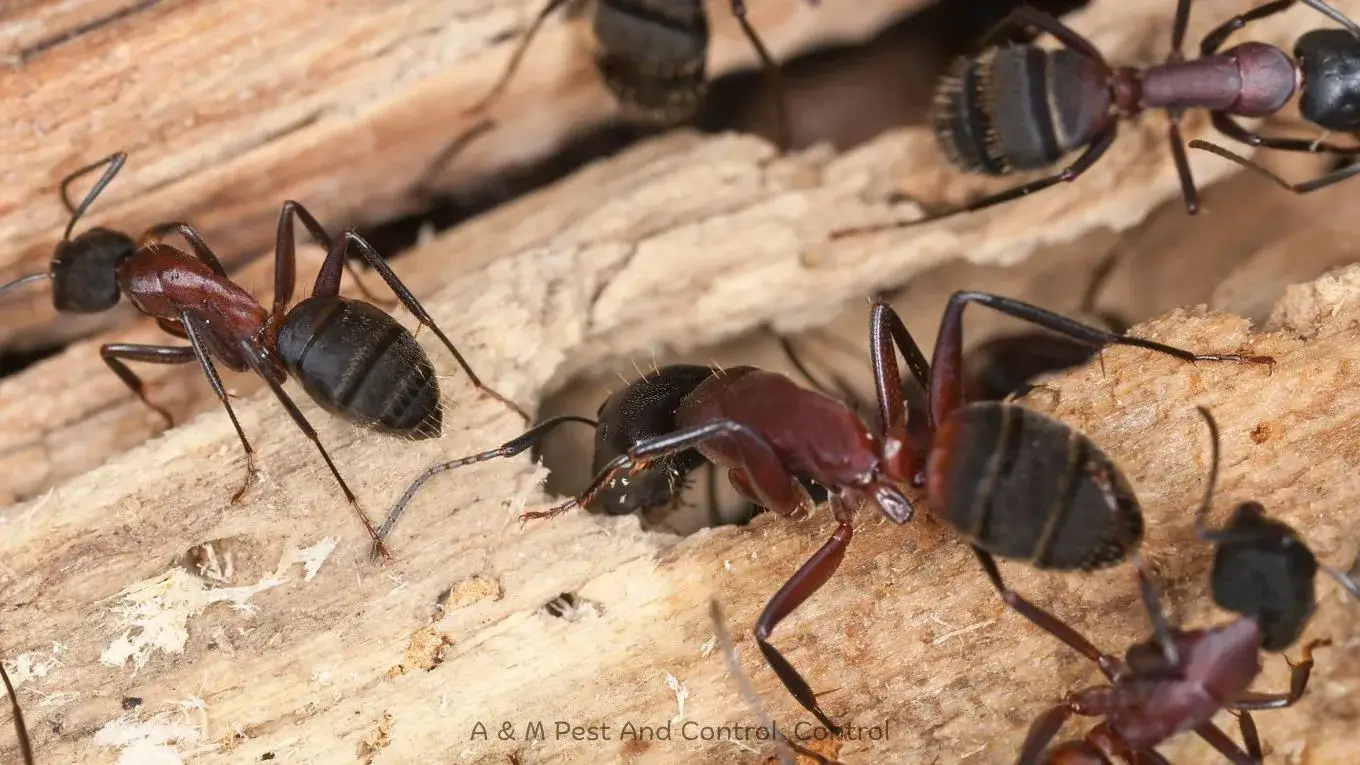
Species-specific baiting and non-repellent treatments that eliminate the colony, not just trails.
Learn more
Gel baits, growth regulators and follow-ups that break the German cockroach breeding cycle.
Learn more
Black widow removal, web and egg-sac clean-out, and perimeter treatments that cut their food supply.
Learn more
Yard barrier sprays and breeding-site treatment to reclaim your patio all summer.
Learn more
Same-day yellowjacket and paper wasp nest removal; honey bee swarms referred for relocation.
Learn moreCoordinated indoor and yard treatments, timed with your vet's pet treatment.
Learn more
Quarterly Integrated Pest Management plans that stop infestations before they start.
Learn more
We treat the kitchen, bathrooms, laundry and garage inside, then foundations, skirting, crawlspace vents, doors and the yard band outside. We tell you before treatment about any pet or child precautions.
Produce businesses can schedule monthly or quarterly service with written records that help with buyer and food-safety documentation. We work around harvest schedules and keep products away from crops.
A quarterly IPM plan suits most Vineland homes. Each visit renews exterior treatment, checks rodent stations around the house and outbuildings, and looks for new wasp nests and spider activity.
Four steps that cover both the house and the growing operation.
Call or book online. Vineland is close to Pueblo, so same-day or next-day slots are usually open.
We walk the home, greenhouses, sheds, feed storage and any standing water, and show you what we find.
Exclusion, trapping and labeled products placed with crops, pets and animals in mind.
Seasonal visits, station checks and free re-treatment if covered pests come back.
Each A & M applicator carries a Colorado Department of Agriculture license. Every product is EPA-registered and applied according to its label, which matters most when you’re working near food crops.

Licensed through the Colorado Department of Agriculture's pesticide applicator program.

Partner in the EPA's Pesticide Environmental Stewardship Program for reduced-risk pest management.

Follows GreenPro Integrated Pest Management standards: inspect first, treat only what's needed.
We serve Vineland homes, farms and businesses east of Pueblo. It’s part of our regular Pueblo County service area, so urgent calls like rodents in a greenhouse or a wasp nest by an entry are usually handled the same or next day.
Preparing for a visit? Read our pre-treatment checklist.
Most one-time general visits in Vineland fall between $100 and $150, while a quarterly plan averages $40–$60 monthly. Greenhouse, commercial and termite jobs get a written quote after a free inspection, and first-time customers save 10%.
Yes. We handle rodents, spiders, stinging insects and structural pests in and around greenhouses and packing sheds, keep bait outside growing areas and follow food-crop label rules. Crop pests like aphids and whiteflies are best handled with Extension guidance.
Vineland is a short drive east of our Pueblo office, so same-day or next-day service is usually possible. Our phone line is open 24/7.
A heated greenhouse is warm and full of seed and seedlings, so it attracts mice when fields go dormant. Seal gaps at the base and vents, store seed in sealed bins, and use traps inside.
They can. Culex tarsalis, which breeds in irrigation water and river bottomland, is Colorado’s main West Nile vector. Drain standing water weekly and use repellent at dusk and dawn.
Treat the dogs with a vet-recommended product, wash bedding and treat the places they rest, including porches, crawlspaces and kennels. We can treat the yard and indoor areas at the same time.
We provide written service records for every commercial visit, including findings, products used and station locations. Tell us what your buyer or auditor requires so we can match it.
Yes. Greenhouse benches, stacked flats, pallets and sheds give western black widows the dark, undisturbed spots they prefer. Wear gloves when moving stored items, and we can clear webs and egg sacs.
El Paso County
Fremont County
Huerfano County
Otero County
We cite independent, science-based sources so you can verify our guidance.
Licensed Pueblo technicians, upfront pricing and a written warranty. New customers save 10% on their first service.