

Older homes
Mice
Decades of settling open gaps under garage doors, around dryer vents and along old foundations. When nights turn cold in fall, house mice follow those gaps straight into kitchens and attics.
Rodent controlEstablished neighborhoods, older homes and a busy rental market bring mice, cockroaches, bed bugs and termites. Licensed pest control from Pueblo on scheduled Security-Widefield route days.

Quick answer
Pest control in Security-Widefield, CO typically costs $100–$150 for a one-time general visit, or about $40–$60 a month on a quarterly plan. We drive up from Pueblo on scheduled route days, so appointments are usually set within a few days. The most common local problems are mice in older homes, German cockroaches and bed bugs in rentals, ants, wasps and black widows.
Security-Widefield is an unincorporated community in El Paso County, sitting between Colorado Springs to the north and the city of Fountain to the south. Because it is a census-designated place rather than a city, there's no town government; county services apply. Most of its housing was built in waves from the 1950s through the 1970s, with ranch homes, split-levels and duplexes on mature lots, plus newer builds on the edges. Fountain Creek runs along the west side, roughly following the US-85/87 corridor.
Two things shape pest control here more than anything else. First, a lot of the housing is now 50 to 70 years old, and older homes develop exactly the gaps, worn seals and wood-to-soil contact that mice, insects and termites exploit. Second, a large share of homes are rentals with frequent turnover, so pests that travel with people, like bed bugs and German cockroaches, show up often.
A & M Pest & Termite Control is based in Pueblo, about 40 miles south on I-25. We don't pretend to be around the corner: Security-Widefield is served on scheduled route days, and we'll give you a real arrival window when you book.
This is what we're called about most often in Security and Widefield, and why:
Decades of settling open gaps under garage doors, around dryer vents and along old foundations. When nights turn cold in fall, house mice follow those gaps straight into kitchens and attics.
Rodent control
Duplexes, fourplexes and apartment buildings with shared plumbing walls let roaches move between units. A single infested appliance or box can start a problem in a freshly cleaned rental.
Cockroach control
Frequent tenant changes and used furniture bring bed bugs in. In multifamily buildings, neighboring units should be inspected so the problem doesn't simply move next door.
Bed bug treatment
Cracked older driveways, patios and sidewalks give pavement ants plenty of nest sites. Odorous house ants trail in along kitchen counters after spring rain.
Ant control
Older soffits, gutters and fence lines are favorite paper wasp sites. Yellowjackets nest in the ground and in wall voids and get defensive by late summer.
Wasp removal
Detached garages, sheds, crawlspace vents and stored lawn furniture on established lots give western black widows the undisturbed shelter they prefer.
Spider controlWith so many rentals in the area, a lot of our Security-Widefield work involves an owner, a property manager and a tenant all trying to solve the same problem. Bed bugs and German cockroaches are where this matters most, because both spread between units and both come back if only part of a building is treated.

If you rent, check your lease before booking. Many leases make the owner or property manager responsible for pest control. We're happy to coordinate with your landlord and schedule around both of you.
Not sure which roach you're seeing? Our German vs. American cockroach guide shows the difference, and why German roaches need a different treatment.
These are the local conditions we look for when we inspect a home here:
Homes from the 1950s through the 1970s often have worn weatherstripping, gaps around old plumbing, unscreened vents and garage doors that no longer seal, each a doorway for mice and insects.
Older porches, sill plates, fence posts and wood siding that sit close to the ground give subterranean termites an easy route in, especially where sprinklers keep soil damp.
Duplexes, townhomes and apartment buildings let cockroaches and bed bugs travel through plumbing chases and electrical openings between units.
The cottonwood and willow corridor holds water in low spots after storms, producing mosquitoes on summer evenings for homes nearby.
Big shade trees, old shrubs and decades of landscaping give ants, spiders and wasps sheltered places to build up close to the house.
With many households moving in and out, including families connected to nearby military installations, used furniture and moving boxes carry hitchhiking pests.

Subterranean termites are the termites found in this part of Colorado; drywood termites are not established here. They live in the soil and reach wood by building pencil-width mud tubes up foundation walls, piers and plumbing. Homes that have stood for 50 years or more have had plenty of time for wood-to-soil contact, settled grading and leaky fixtures to develop.
Termite activity can go unnoticed for years. If you own an older home or are buying one, a free termite inspection is the simplest way to know where you stand. Keeping soil and mulch a few inches below siding, fixing leaks and pointing downspouts away from the foundation all reduce the risk.
| Season | What we see in Security-Widefield | What we focus on |
|---|---|---|
| Spring (Mar–May) | Termite swarmers on warm days, ants trailing indoors, wasp queens starting nests | Termite inspection, ant baiting, perimeter treatment |
| Early summer (Jun) | Paper wasp nests under eaves, spiders building in garages, first mosquitoes near the creek | Nest removal, web clean-out, standing-water checks |
| Summer (Jul–Aug) | Mosquito peak on the west side, yellowjackets building, summer moves bring bed bugs and roaches | Barrier treatment, ground-nest treatment, rental inspections |
| Fall (Sep–Nov) | Mice moving into older homes, black widows sheltering in garages, yellowjackets most defensive | Rodent exclusion, bait stations, sealing garage doors and vents |
| Winter (Dec–Feb) | Mice in attics and crawlspaces; German roaches and bed bugs active indoors | Trapping, interior follow-ups, unit-to-unit inspections |
Mosquitoes along Fountain Creek peak in July and August. Culex tarsalis, the main West Nile virus carrier in Colorado, is most active at dusk and dawn, so empty birdbaths, buckets and clogged gutters weekly and use repellent outdoors in the evening. Our mosquito control treats resting areas around your yard.
Every service we offer in Pueblo is available on our Security-Widefield route days, with the same pricing and written warranty.
Inspections, liquid soil barriers, bait systems and NPMA-33 reports for home sales.
Learn moreMice and rat removal with trapping, tamper-resistant bait stations and permanent exclusion.
Learn moreDiscreet inspection and multi-visit treatment that targets eggs, nymphs and adults.
Learn more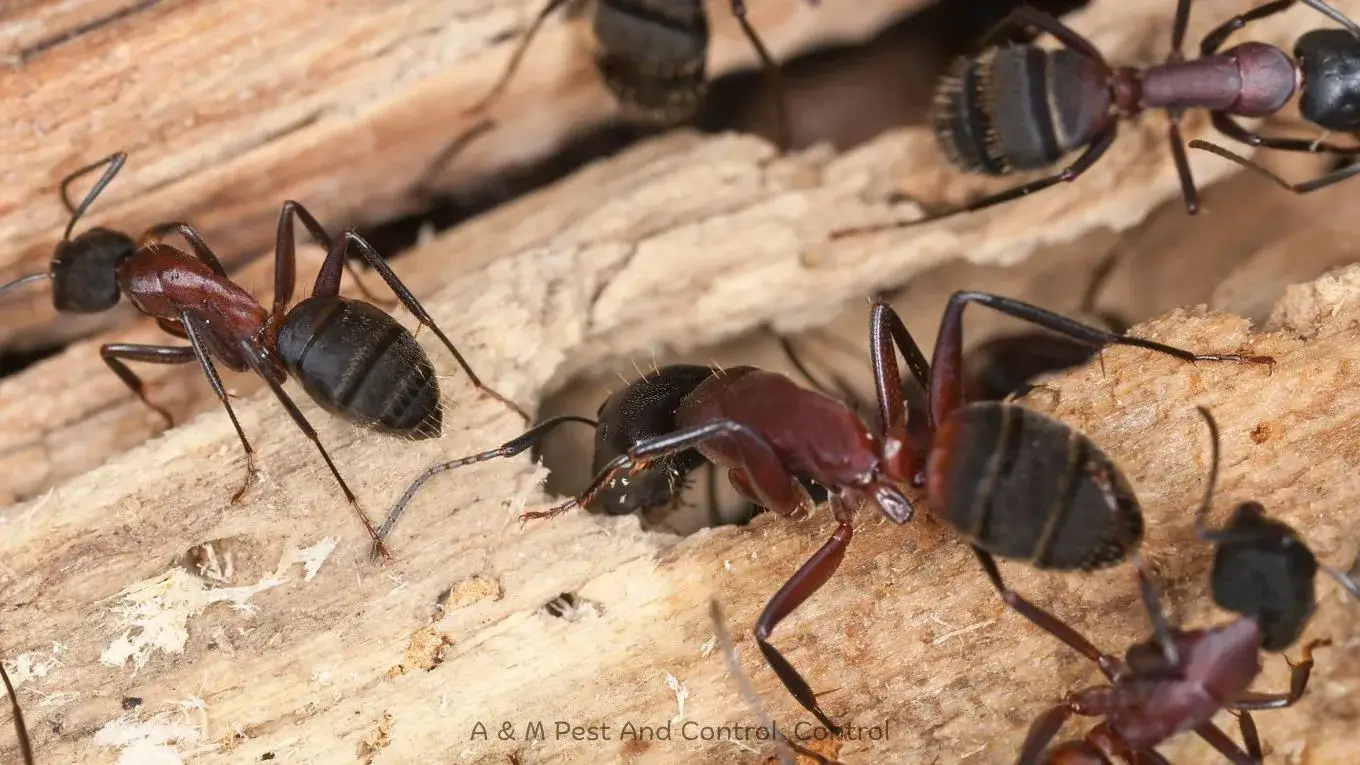
Species-specific baiting and non-repellent treatments that eliminate the colony, not just trails.
Learn more
Gel baits, growth regulators and follow-ups that break the German cockroach breeding cycle.
Learn more
Black widow removal, web and egg-sac clean-out, and perimeter treatments that cut their food supply.
Learn more
Yard barrier sprays and breeding-site treatment to reclaim your patio all summer.
Learn more
Same-day yellowjacket and paper wasp nest removal; honey bee swarms referred for relocation.
Learn more
Coordinated indoor and yard treatments, timed with your vet's pet treatment.
Learn more
Quarterly Integrated Pest Management plans that stop infestations before they start.
Learn more
A residential visit covers the kitchen, bathrooms, basement or crawlspace and garage, then the foundation, eaves and yard edge. In older homes we spend extra time on the entry points that age creates, such as vents, door sweeps and gaps where pipes and wires enter.
For landlords with one unit or several, we can set up recurring service with documented visits. Small shops and offices along the main commercial roads can be added to the same route schedule.
Our quarterly IPM plan suits Security-Widefield because the pressure never fully stops: ants and termites in spring, wasps and mosquitoes in summer, mice in fall. Each visit renews the exterior treatment and checks the weak points older homes develop.
A simple process that works for owners, landlords and tenants alike.
Call any time. We confirm the next Security-Widefield route date and an arrival window.
We check inside and out and, for rentals, ask about neighboring units and recent moves.
Baits, crack-and-crevice and perimeter products matched to the pest and the household.
Re-checks for roaches and bed bugs, and free re-treatment if covered pests return.
Our applicators hold Colorado Department of Agriculture licensing, and we use EPA-registered products applied according to their labels, with integrated pest management as the starting point on every job.

Licensed through the Colorado Department of Agriculture's pesticide applicator program.

Partner in the EPA's Pesticide Environmental Stewardship Program for reduced-risk pest management.

Follows GreenPro Integrated Pest Management standards: inspect first, treat only what's needed.
We serve homes, rentals and businesses throughout Security-Widefield, from the neighborhoods near Fountain Creek on the west side to the newer streets on the east. Visits are grouped on scheduled route days from our Pueblo office, about 40 miles south, so we can keep pricing the same as in Pueblo and give you a firm time window.
Getting a unit ready for treatment? Start with our pre-treatment checklist.
A one-time general visit in Security-Widefield typically costs $100–$150, and quarterly plans run about $40–$60 a month. Bed bug, cockroach and termite work is quoted after a free inspection. New customers get 10% off their first service.
We serve Security-Widefield on scheduled route days from our Pueblo office, about 40 miles south. Most appointments are set within a few days. We don't promise same-day service here, but we'll give you an honest arrival window when you call.
It depends on the lease. Many leases make the owner or property manager responsible, especially for bed bugs and cockroaches. Check your lease and contact your landlord first; we can coordinate scheduling with both of you.
We recommend inspecting units that share walls, floors or ceilings with an infested unit, and treating any that show activity. Treating only one unit in a multifamily building often lets the pests move next door and come back.
Subterranean termites are present in El Paso County, and older homes with wood close to the soil are at higher risk. Drywood termites are not established in Colorado. A free termite inspection tells you whether there is active damage.
Older homes develop gaps under garage doors, around pipes and at foundation vents, and a mouse needs only a gap about the width of a pencil. Trapping without sealing those openings means new mice keep coming in, especially in fall.
Homes near the creek on the west side see more evening mosquitoes in July and August. Emptying standing water weekly and treating shaded resting areas in the yard both help. Use repellent at dusk, when West Nile vectors are most active.
Our phone line is open 24/7. Security-Widefield visits are scheduled on route days, and urgent problems are booked into the earliest available slot.
El Paso County
Fremont County
Huerfano County
Otero County
We cite independent, science-based sources so you can verify our guidance.
Licensed Pueblo technicians, upfront pricing and a written warranty. New customers save 10% on their first service.