Hiring a pest control service in Pueblo is a smart move — but did you know that how you prepare your home before the treatment directly impacts the results?
Whether you’re dealing with ants in the kitchen, roaches under the fridge, or fleas in the carpet, following the right prep steps ensures your technician can treat effectively and safely. Not only does it help the treatment reach the pests, but it also helps you get rid of them faster with fewer follow-ups.
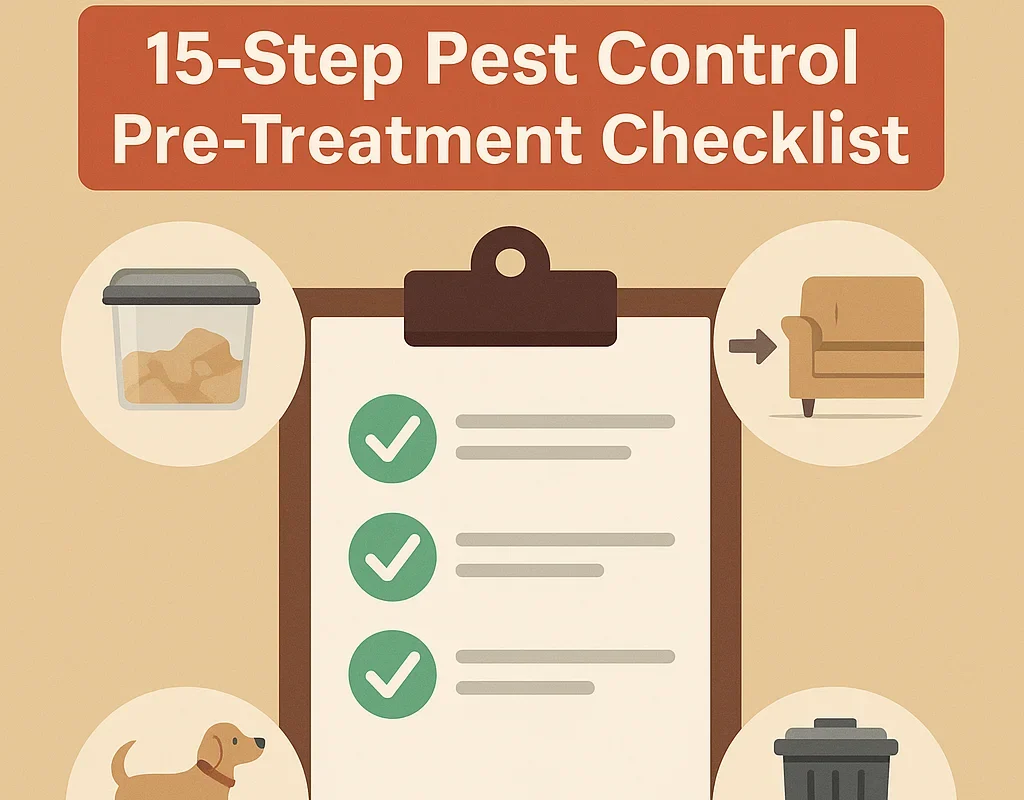
Here’s a step-by-step checklist to follow before your exterminator arrives.
Clear and clean countertops
Wipe down all surfaces and remove any small appliances or loose items like spice jars and dish racks. Pests love to hide behind clutter, and your technician needs easy access to treat corners and crevices.
Seal or remove all exposed food
Store pantry items in sealed plastic or glass containers. Anything left open — cereal, flour, sugar — becomes bait for pests and may even absorb treatment chemicals.
Empty trash cans
Take out all trash and disinfect the bins. Don’t leave garbage inside overnight before your service. Residue smells can attract pests and reduce the effectiveness of your treatment.
Sweep and mop the floor
Food crumbs and spills left on floors can interfere with baiting techniques. A clean surface makes treatment more effective and reduces the risk of pests returning.
Move furniture 6–12 inches away from walls
Technicians need access to baseboards, outlets, and corners where pests hide. Moving beds, couches, and shelves away from walls gives them clear space to treat.
Declutter the floor
Pick up toys, books, laundry, pet items, and anything else sitting on the floor. The fewer obstacles, the more complete the treatment.
Vacuum carpets and rugs thoroughly
Especially if you’re dealing with fleas or other fabric-dwelling insects. Vacuuming lifts up eggs, larvae, and debris — and helps expose them to treatments.
Cover or remove pet bedding
Pet blankets, beds, toys, and bowls should be either removed or cleaned and sealed. These can soak up chemicals or give pests a place to hide.
Empty under-sink cabinets
Pipes under sinks are hot spots for cockroaches, ants, and silverfish. Clearing out these areas helps your technician treat the full perimeter.
Fix any obvious water leaks
Even small drips from a faucet or pipe can attract pests. Dry out sinks and tubs before your treatment to help eliminate their water sources.
Clear floors in laundry rooms or storage areas
Don’t forget areas behind the washer and dryer — these are common hiding places for pests, and often overlooked.
Remove pets and pet food
Most treatments require your pets to be out of the house for at least 2–4 hours. Store pet food in airtight containers and remove any bowls or toys from the floor.
Plan for children to be out
Young children shouldn’t be present during or immediately after pesticide application. Make arrangements to keep them away during the service window and for the recommended re-entry time.
Unlock all treatment areas
This includes basements, attics, garages, sheds, and utility closets. Your technician will need full access to get the job done thoroughly.
Follow any specific prep sheet instructions
For pests like bed bugs, fleas, or rodents, your provider will give you detailed prep instructions. These often include laundry requirements, mattress prep, or furniture disassembly. Follow them carefully to avoid incomplete treatments.
A successful pest control treatment in Pueblo doesn’t just depend on the product used — it depends on how well your home is prepared. Proper prep ensures:
Better penetration of pesticides or bait
Shorter treatment timelines
Fewer return visits
Longer-lasting protection
It’s a team effort — you handle the prep, and your technician takes care of the rest.
How long should I stay out after a pest control service?
It depends on the treatment type, but most general applications recommend staying out for 2–4 hours. Your technician will give you specific guidance.
Do I need to wash everything afterward?
Not usually. Modern pest control products are applied with precision. You don’t need to wash dishes, surfaces, or linens unless specifically instructed.
What if I forget to do something on this list?
Don’t panic — but incomplete prep may delay treatment or reduce its effectiveness. Always call your provider if you’re unsure or can’t complete a step.
©2025 All Rights Reserved. A & M Pest & Termite Control. Pueblo CO. Sitemap.